Timberborn: Building a Beaver Utopia in a Post-Apocalyptic World
When beavers become the architects of our future
Launch Day Larry
In a world where beavers have taken over the reins of civilization, “Timberborn” invites players to dive into a city-building experience that’s as charming as it is challenging. With its unique blend of post-apocalyptic survival and beaver-themed antics, this game offers a fresh take on the genre. But does it gnaw its way to greatness, or does it leave players damming their frustrations? Let’s find out.
Gameplay: A Dam Good Time
“Timberborn” excels in creating a complex yet accessible gameplay experience that keeps players engaged for hours. The mechanics are easy to learn, making it a breeze for newcomers to jump in and start building their beaver utopia. The game introduces automation in its 1.0 release, a feature that transforms the city-building experience by allowing players to focus on strategic planning rather than micromanagement.
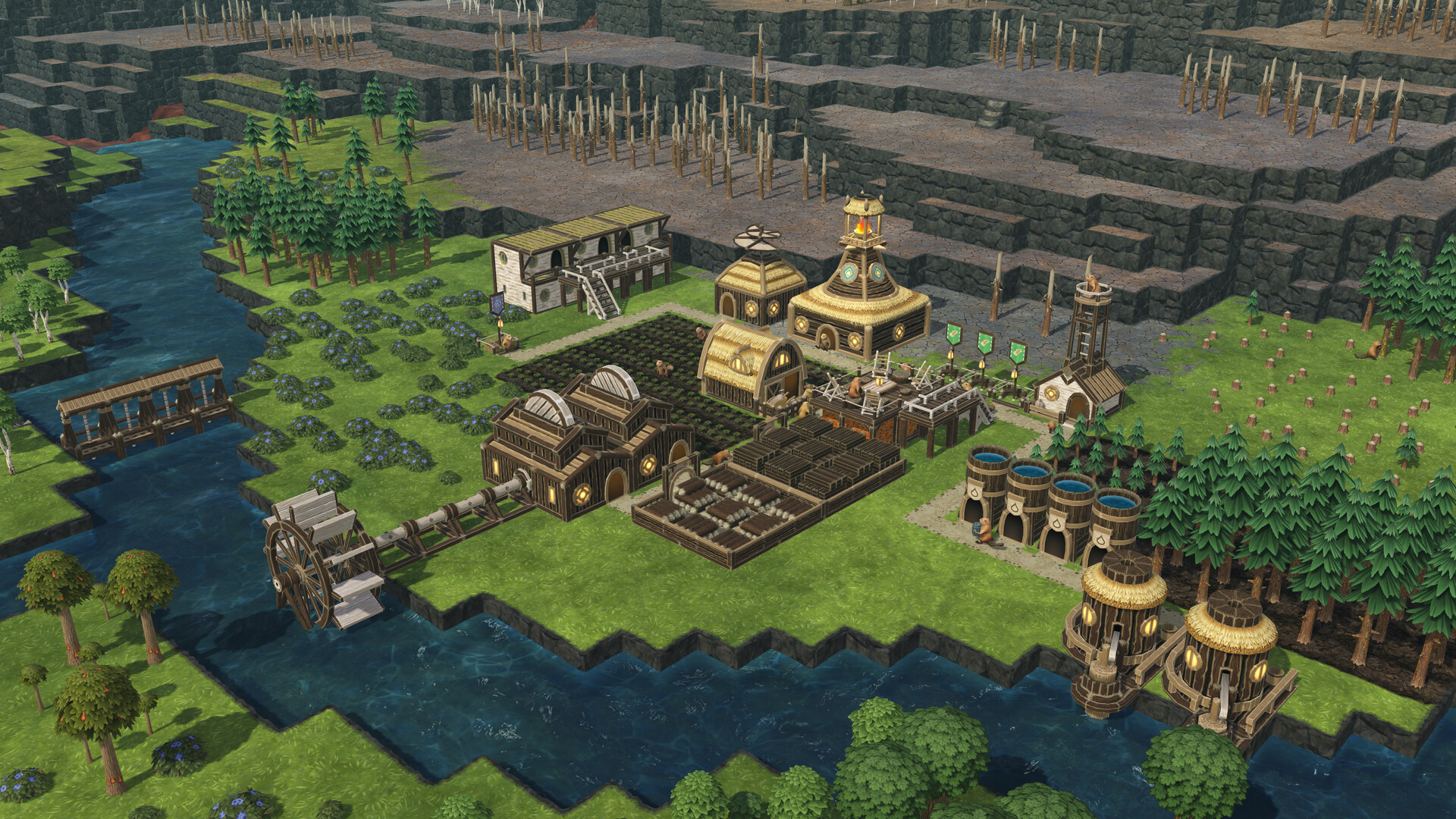
The grid-based system is a standout feature, providing transparency in resource transportation and storage. This level of detail adds depth and realism, making every decision feel impactful. The game also supports mods, allowing players to expand content and customize their playthroughs, which is a boon for those who crave endless possibilities.
However, the game isn’t without its challenges. Some players find the lack of guidance post-tutorial a bit daunting, often turning to external resources for help. And while the game becomes easier as you progress, securing resources like water can lead to a more relaxed experience in later stages. But hey, who doesn’t enjoy a little beaver-induced zen?
Graphics: A Visual Feast for the Eyes
“Timberborn” delivers a visual experience that’s both aesthetically pleasing and functionally clear. The exaggerated coloring helps distinguish between healthy and dead crops, enhancing gameplay through improved visual clarity. The animations, particularly those involving mechanical elements like gearsets and driveshafts, are detailed and smooth, contributing to the game’s overall appeal.
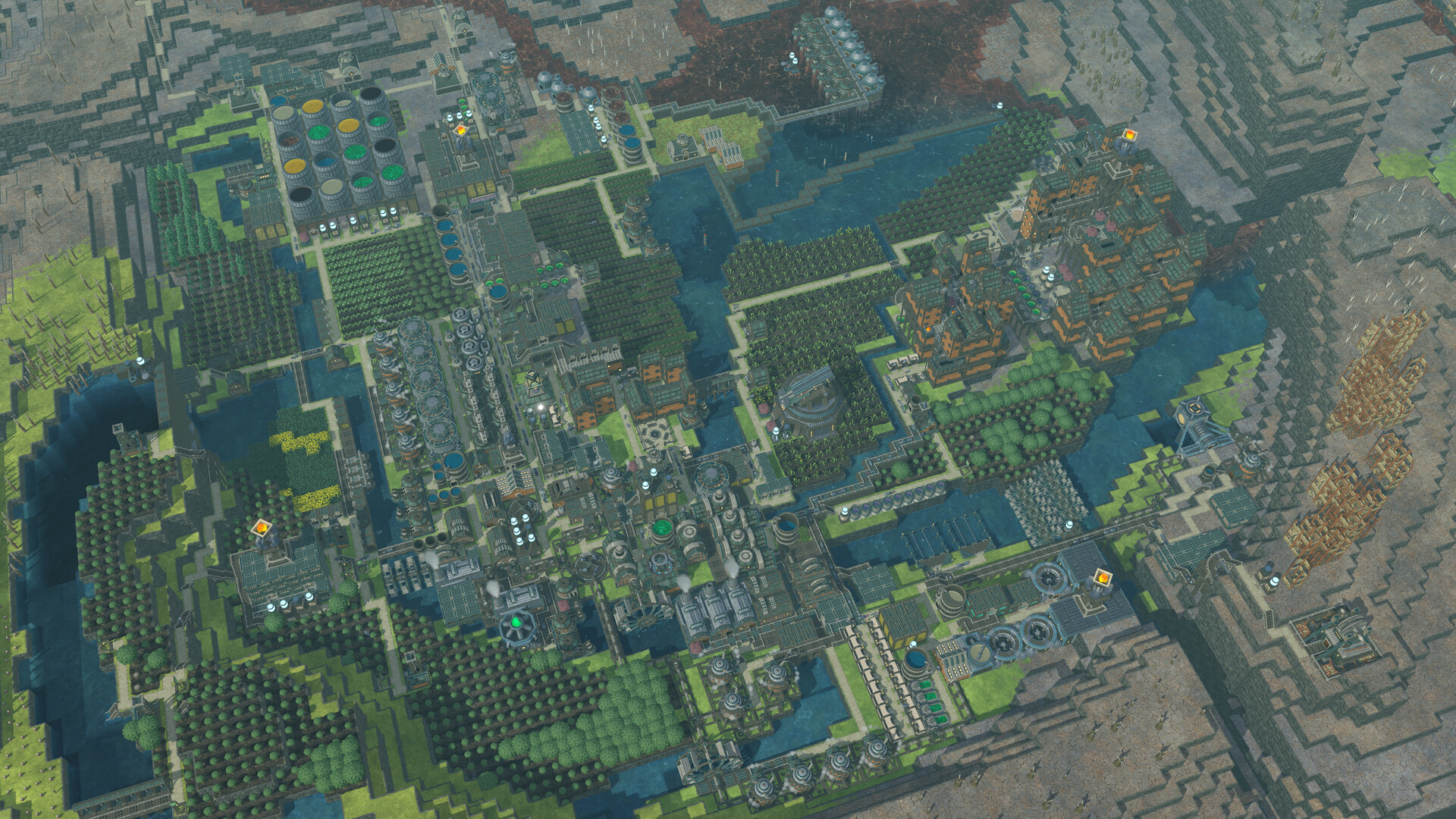
Despite being built on the Unity engine, the game runs efficiently even on lower-end hardware, showcasing effective optimization. However, some performance issues arise on custom maps with extensive water, where beaver movements can become glitchy. While these hiccups are minor, they do remind us that even beavers can have a bad day at the office.
Story: A Tale of Beavers and Hope
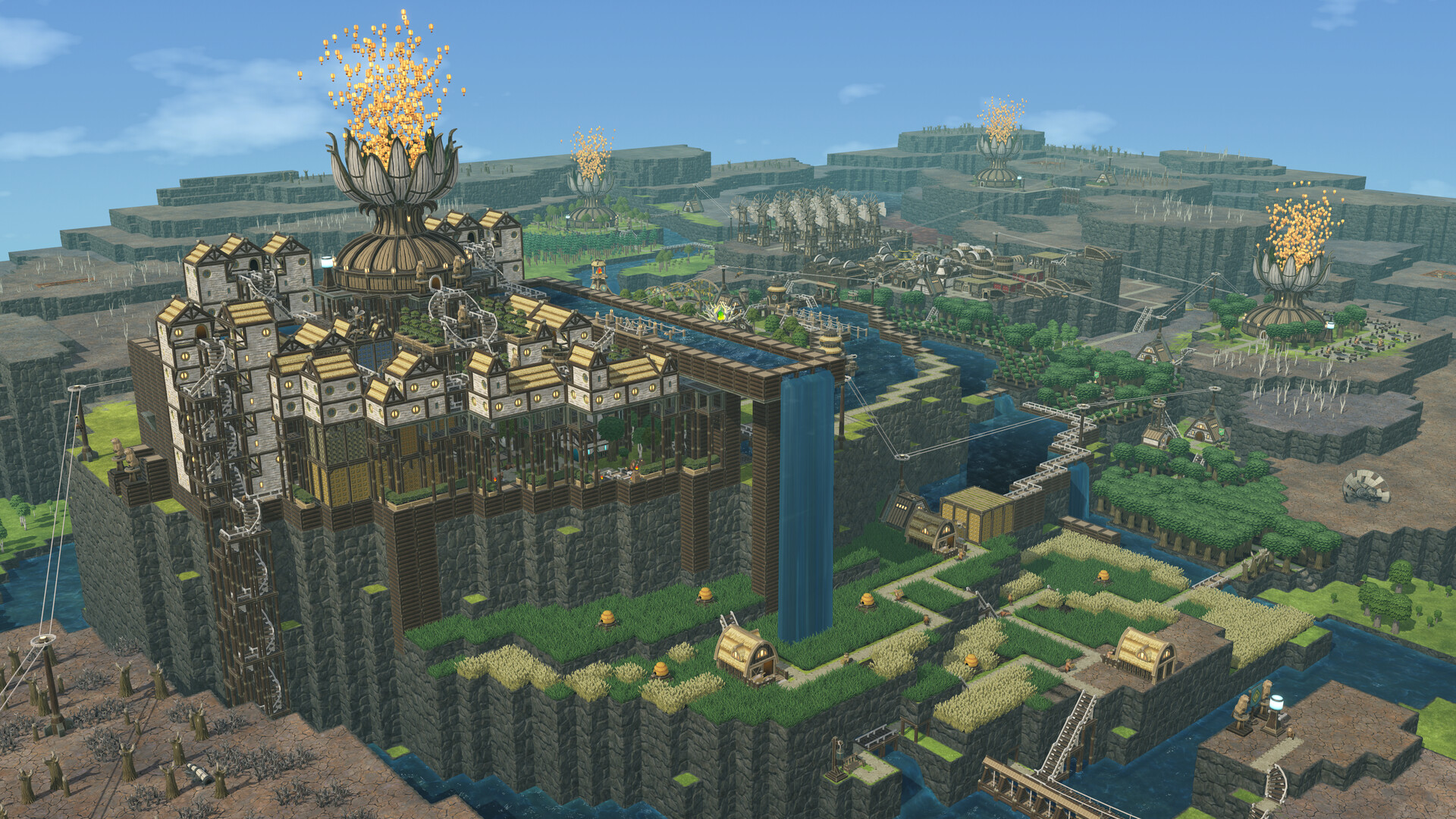
While “Timberborn” doesn’t focus heavily on narrative, it offers a backdrop that enhances the gameplay experience. The story of beavers working to revitalize a broken world is both charming and whimsical, providing a unique twist on the city builder genre. The narrative includes moments of humor and tragedy, particularly during challenging events like the “badtide,” which adds emotional depth to the experience.
However, the story is not the game’s strongest suit. It serves more as a backdrop rather than a driving force, with some players finding the lack of a compelling narrative or objectives a bit underwhelming. While the sandbox nature of the game appeals to those who enjoy building on varied maps, others may find it lacking in narrative depth.
Final Verdict
“Timberborn” is a delightful city-building experience that combines engaging mechanics with charming visuals and a unique theme. While the story may not be its strongest aspect, the game’s strategic depth and replayability make it a favorite among fans of detailed simulation games. Whether you’re a casual player or a hardcore strategist, there’s something here for everyone.
Score: 8/10