Styx: Blades of Greed: Goblin Shenanigans and Greedy Gambits
A stealthy goblin’s journey through clunky controls and dazzling visuals
Launch Day Larry
Ah, Styx: Blades of Greed, where our favorite goblin returns to sneak, stab, and snark his way through a world that’s as treacherous as it is visually stunning. But does this latest installment in the Styx series deliver the goods, or does it leave us feeling like we’ve been pickpocketed by a particularly sneaky goblin? Let’s dive into the murky depths of gameplay, graphics, and story to find out.
Gameplay: A Goblin’s Guide to Janky Journeys
In the realm of goblin antics, Styx: Blades of Greed offers a mixed bag of tricks. The game introduces a control scheme that feels like it was designed by a goblin with a penchant for chaos. Players have noted the clunky and less responsive controls, especially on PC, where holding the right-click to access abilities feels like trying to juggle flaming torches while riding a unicycle. The lack of full keyboard customization only adds to the frustration, making critical moments feel more like a test of patience than skill.
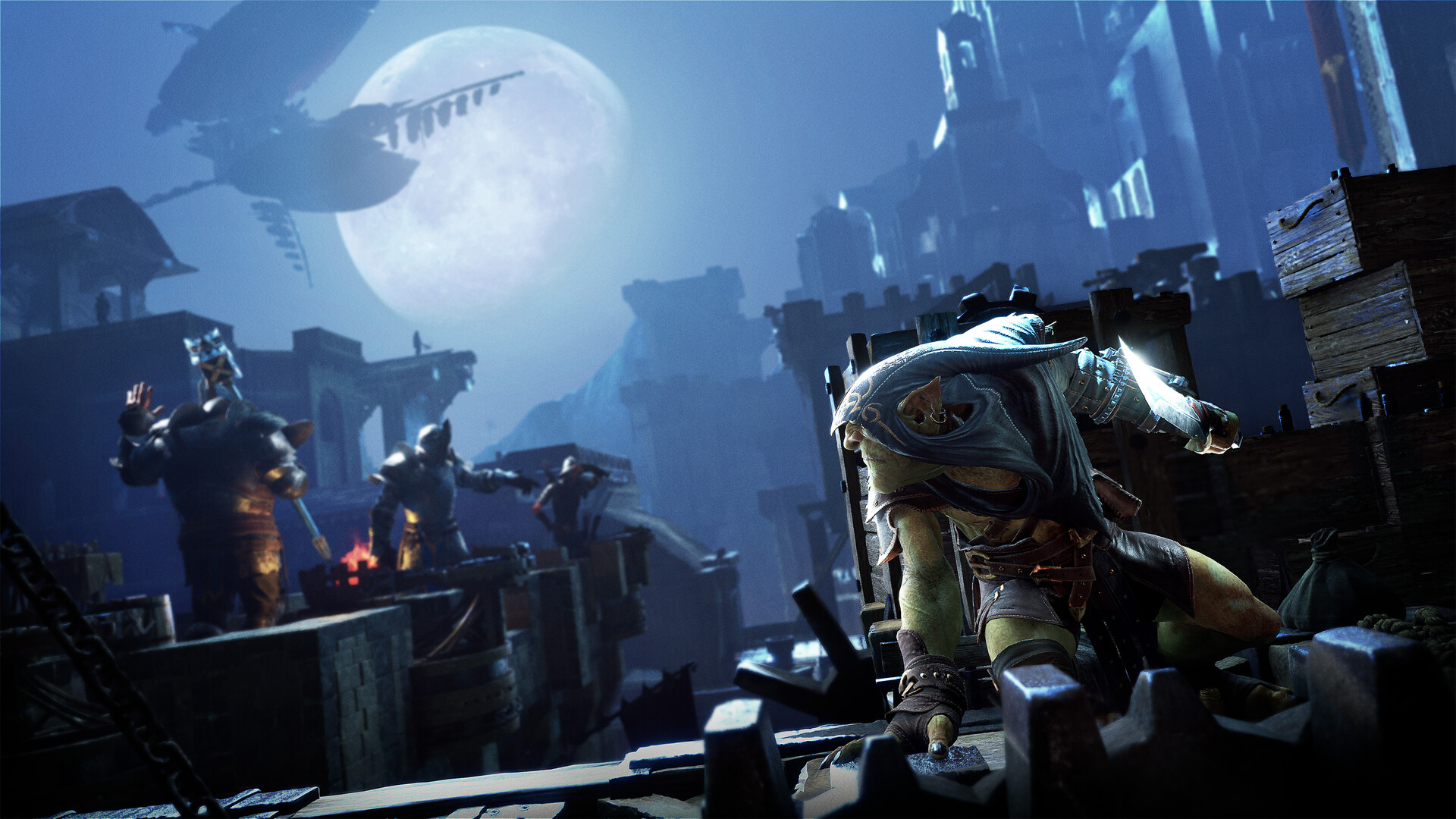
Movement, while serviceable, lacks the fluidity of previous entries, and the inability to control clones is a sore point for fans. However, the introduction of new abilities, like dragging enemies away, adds a fresh layer of strategy, even if you’re limited to equipping only four items or abilities at a time. The shift from hardcore stealth to a more action RPG style has divided players, with some missing the nail-biting tension of pure stealth, while others enjoy the more forgiving combat mechanics.
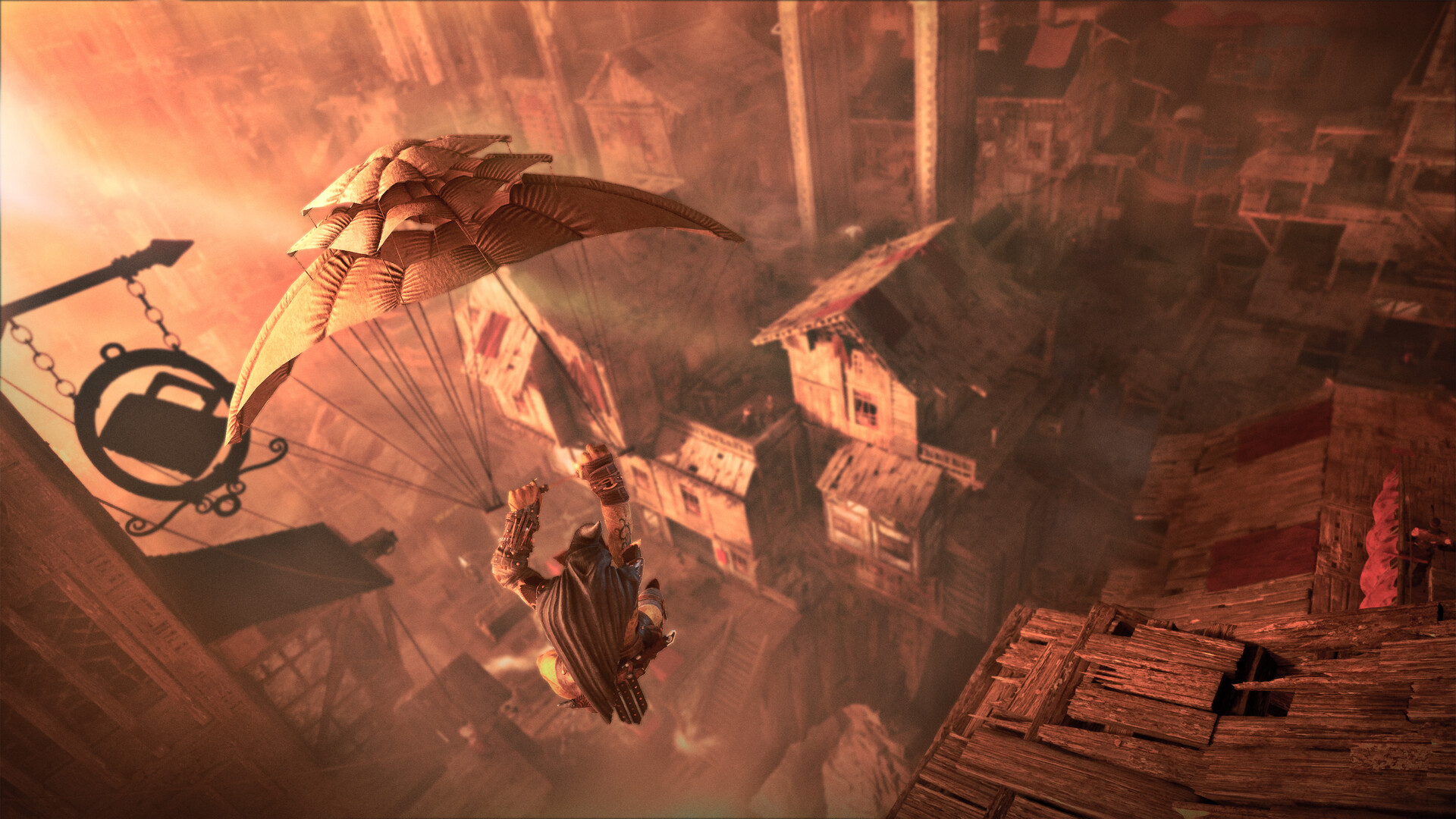
The game’s semi-open world is a highlight, encouraging exploration and rewarding players with hidden upgrade quartz. The AI, particularly on higher difficulties, provides a challenging adversary, though some players find the game too easy, thanks to mechanics like the double jump. Meanwhile, technical issues such as crashes and texture pop-ins suggest that the game could use a few more patches to polish its performance.
Graphics: A Visual Feast with a Side of Stutter
Styx: Blades of Greed is a visual spectacle, with cinematics that are “insanely good” and dynamic lighting that brings the world to life. The cartoony style is consistent with the series, and the game’s graphics are reminiscent of an upgraded Jak and Daxter, appealing to fans of that aesthetic. However, these visual delights come at a cost, as performance issues plague the experience.
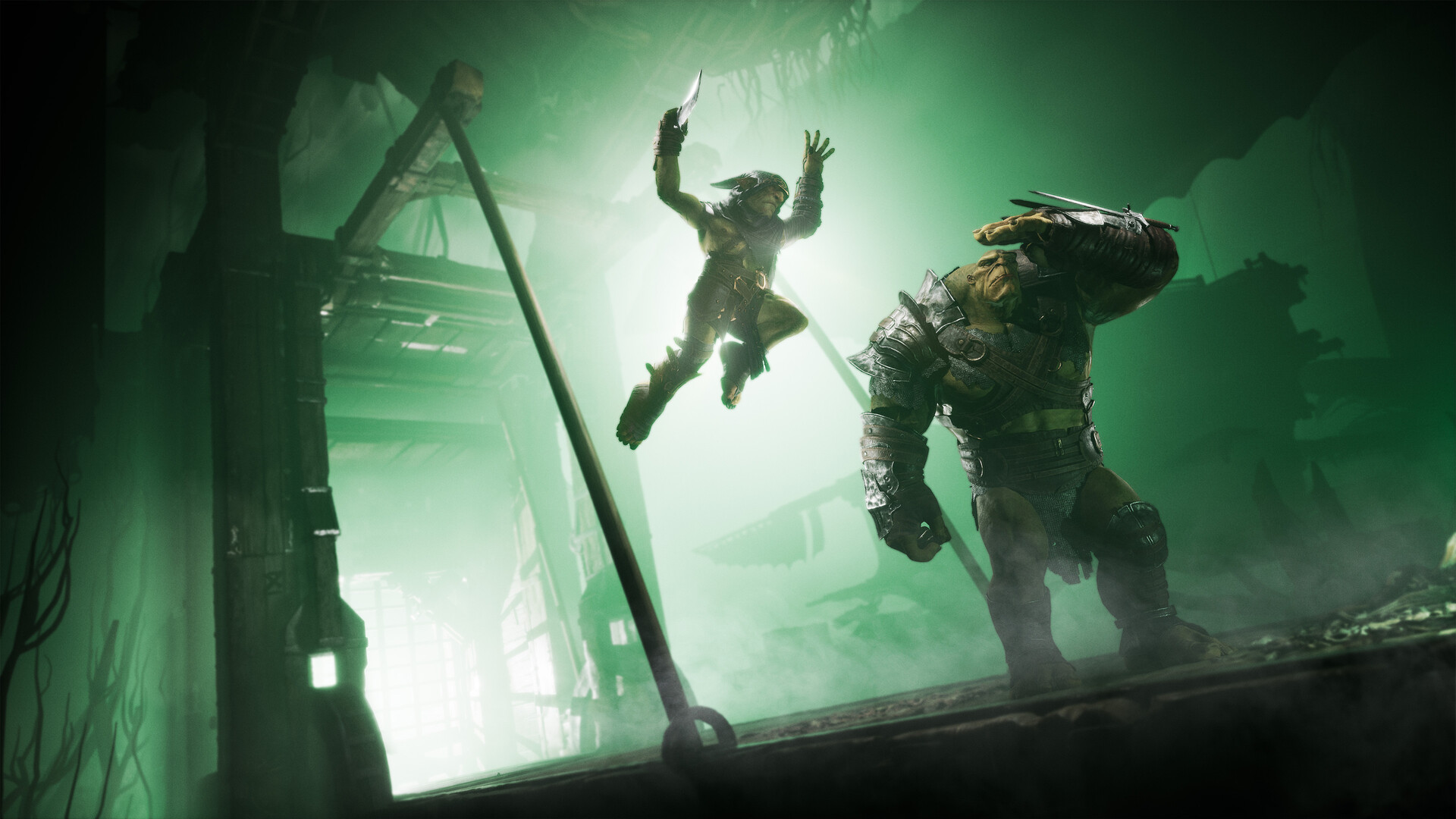
Running on Unreal Engine 5, the game demands significant power to run smoothly, with high-end systems managing to deliver a stable experience. Medium-range hardware, however, often encounters stutters and frame rate drops, particularly in complex environments. The reliance on post-processing effects like motion blur and chromatic aberration can detract from clarity, and the inability to adjust these settings leaves some players feeling like they’re peering through a dirty lens.
Graphical issues such as flickering lighting and waypoints further detract from the experience, and the contrast between promotional images and actual in-game graphics has left some players feeling a bit gobsmacked. Despite these challenges, the game’s visual design and style hold promise, and players are hopeful for future patches to address these issues.
Story: A Goblin’s Tale of Missed Opportunities
The narrative of Styx: Blades of Greed is a tale of potential left untapped. The plot revolves around the repetitive task of collecting Quartz, which many players find shallow and lacking in engagement. The crew of companions and the zeppelin base serve merely as quest dispensers, with little meaningful development or interaction. The stakes of the story are introduced too late, leading to a loss of interest by the second act.
Character interactions, particularly with Styx, lack personality and depth. While Styx is given humorous lines, other characters fail to deliver memorable comedic moments. The decision to stop Styx from breaking the fourth wall is appreciated by some, aligning better with his irreverent nature, but it also seems to have impacted the story negatively, with fewer cutscenes and lore.
Despite these criticisms, the game is praised for its mechanics, level design, and the return of Styx. The story, while not the highlight, doesn’t detract from the gameplay experience, and the universe and mood of the game are appreciated by long-time fans. The cinematics and character dynamics contribute to an immersive storytelling experience, even if the narrative itself feels like an afterthought.
Final Verdict
Styx: Blades of Greed is a game that shines in its visual presentation and world design but stumbles in its execution of controls and narrative depth. While the game introduces new mechanics and a shift in gameplay style, it faces criticism for its control scheme and movement issues, with a need for further optimization and patches. Despite these challenges, the game offers an expansive world, strategic depth, and an immersive atmosphere that fans of the series will appreciate.
Score: 6.5/10