Rogue Point: Tactical Chaos in a 7GB Package
When mercenaries meet mayhem, expect the unexpected
Launch Day Larry
In the world of tactical shooters, “Rogue Point” attempts to carve out its niche by blending strategic planning with chaotic gunfights. It’s a game that promises a lot, and while it delivers on some fronts, it stumbles on others. Let’s dive into the nitty-gritty of what makes this game tick—or occasionally, what makes it trip over its own shoelaces.
Gameplay: Tactical Teamwork or Tactical Tantrum?
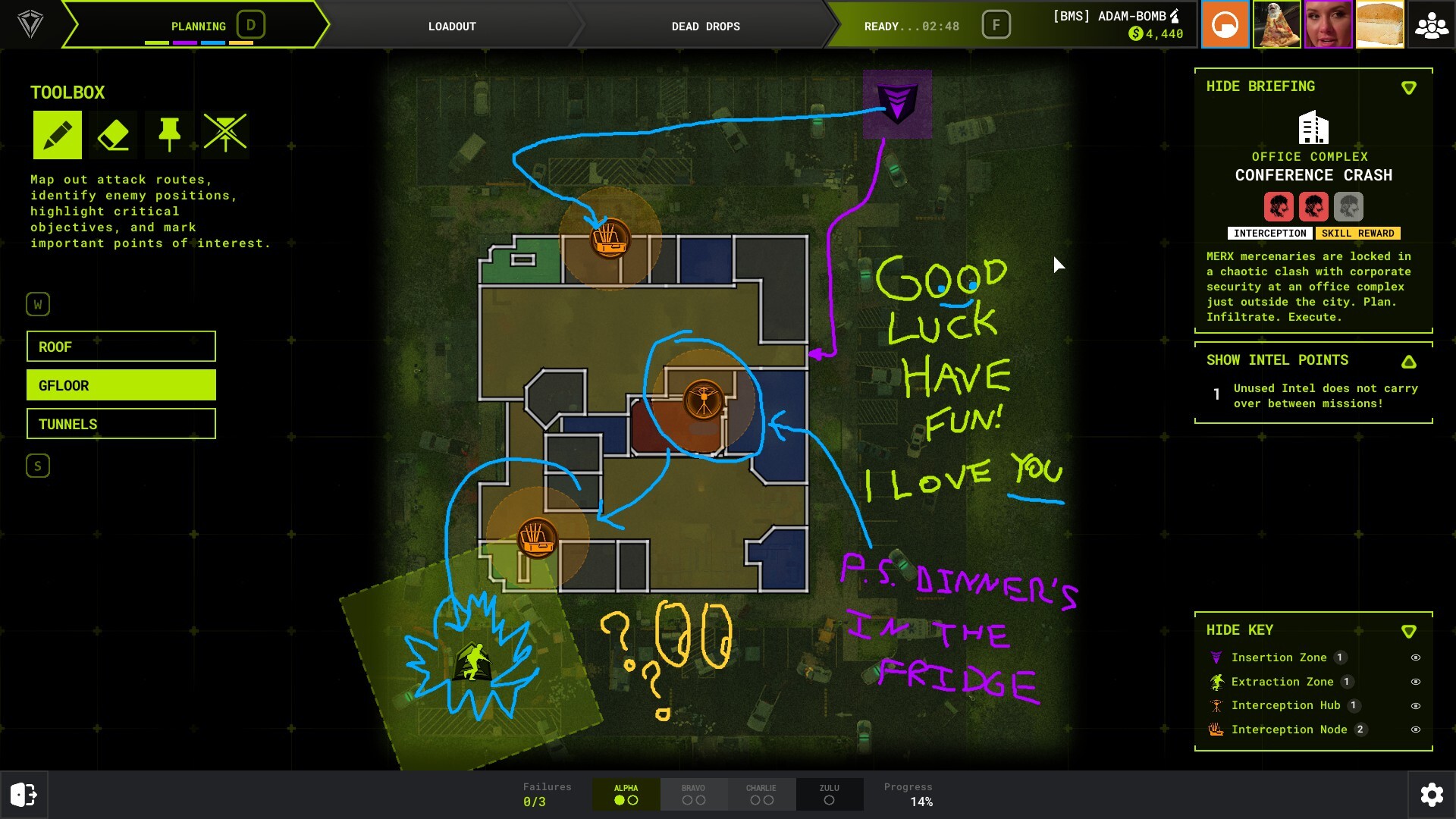
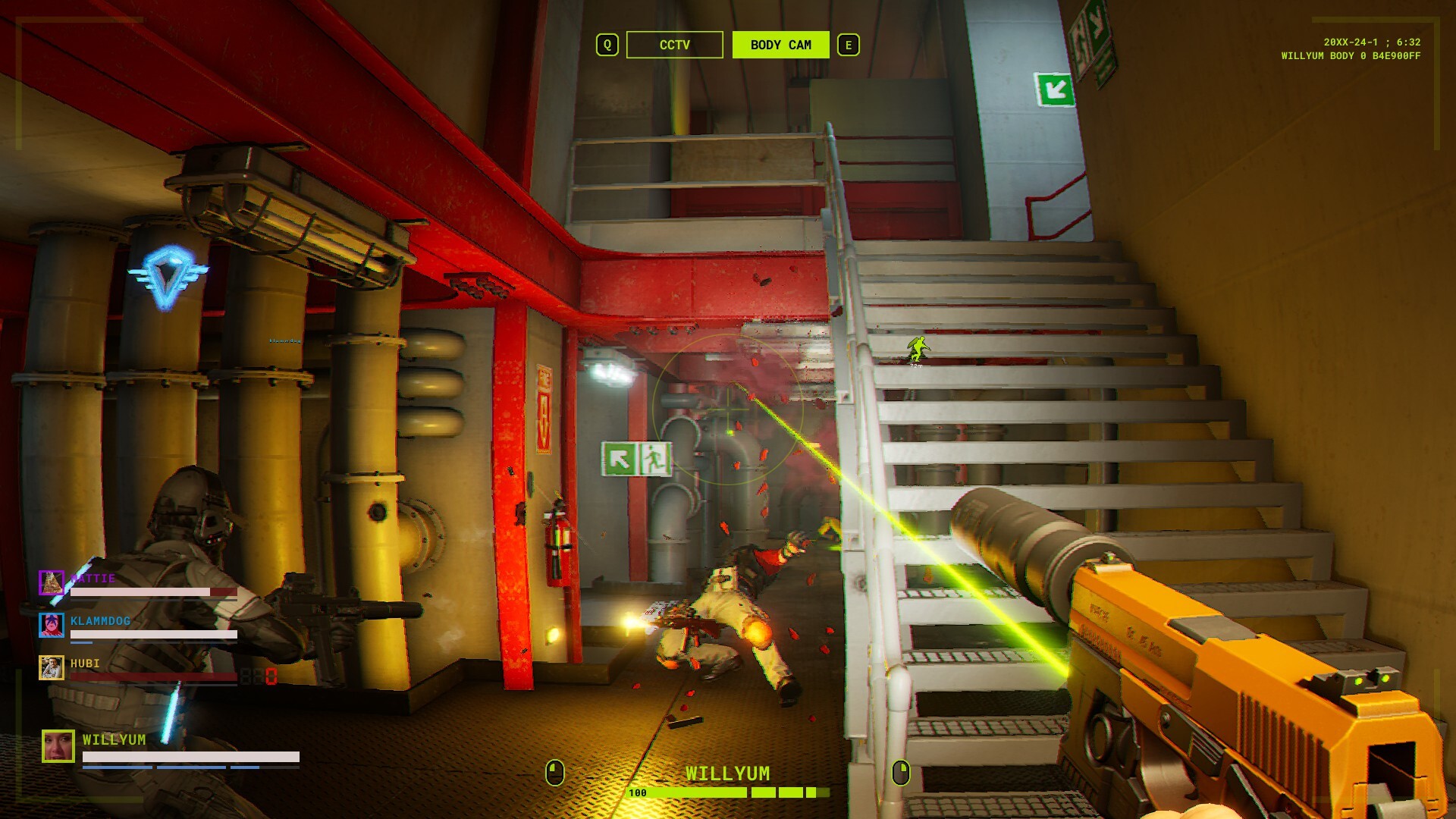
“Rogue Point” is a game that thrives on its cooperative multiplayer experience. The core gameplay loop is a blend of tactical planning and execution, with a focus on close-quarters combat. The gunplay is tactile and satisfying, especially when you’re coordinating with friends to take down enemy commanders. The pre-planning mode adds a layer of depth, allowing players to strategize before diving into the action. However, the game could benefit from allowing players to view these plans during missions, as suggested by the community.
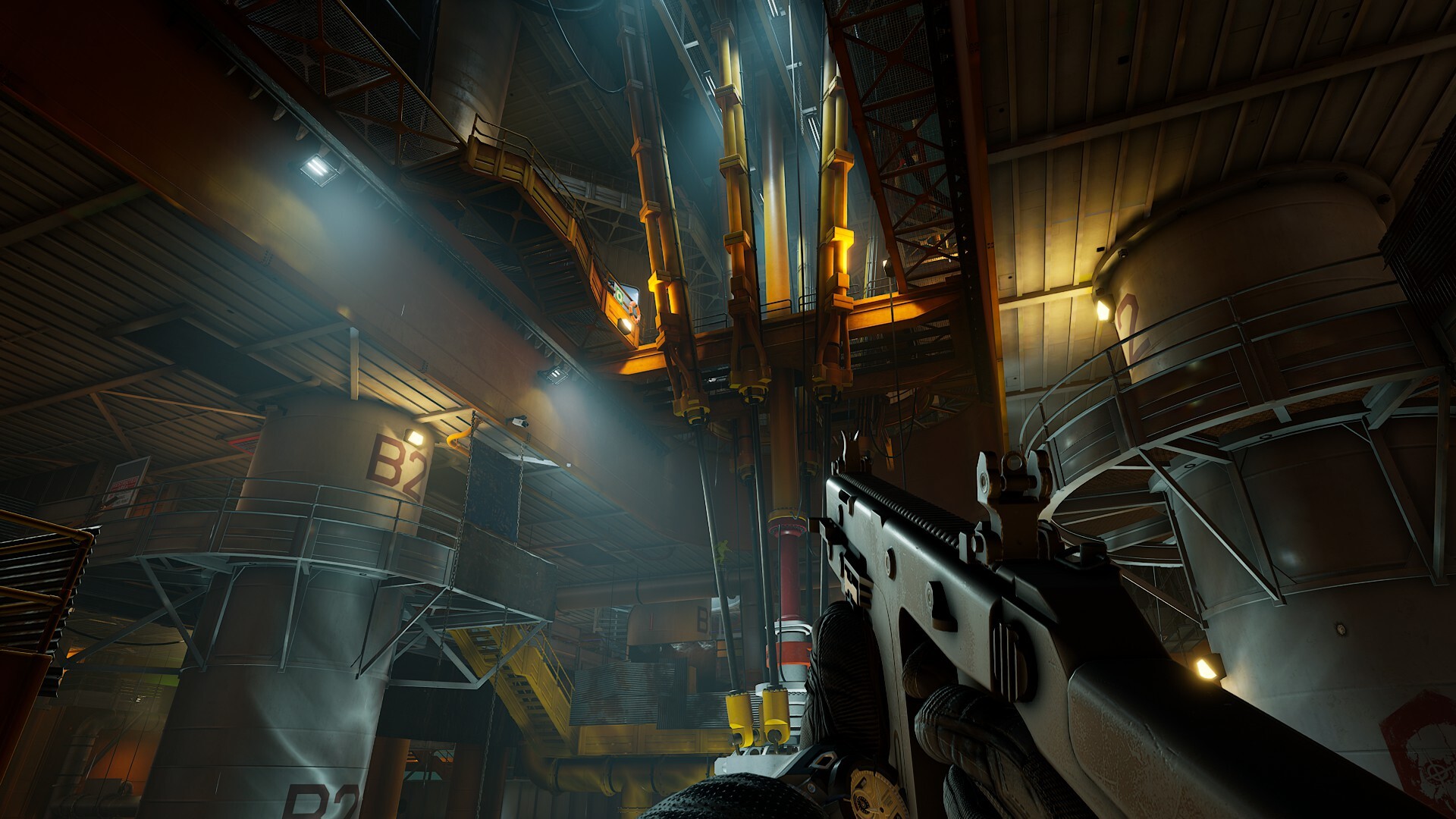
While the gunplay is a highlight, the movement mechanics leave much to be desired. Described as clunky and awkward, the controls can sometimes feel like you’re trying to dance in a suit of armor. The lack of stealth takedown animations and an offline mode with bots are notable omissions that could enhance the solo experience. The game is still in early access, and the developers have shown a willingness to listen to feedback, so there’s hope for future improvements.
Graphics: A Visual Feast with a Side of Frame Drops
Visually, “Rogue Point” is a treat. The game manages to pack a punch with its graphics, especially considering its modest 7GB size. The lighting and art style are standout features, reminiscent of older Rainbow Six titles with a modern twist. However, this visual appeal comes at a cost. Performance issues are rampant, with frame rates dropping faster than a player’s patience during intense firefights. Even high-end systems struggle to maintain smooth performance, indicating a need for optimization.
The limited graphics settings don’t help matters, offering only basic Low, Medium, and High options. Players are clamoring for more customization, such as the ability to disable certain effects to improve performance. The implementation of FSR 2 is also criticized for being blurry, further detracting from the visual experience. Despite these challenges, there’s potential for improvement, and players are hopeful that future updates will address these issues.
Story: A Tale of Two Tones
The narrative of “Rogue Point” is minimalistic, serving as a backdrop for the tactical gameplay. The story revolves around a war between mercenary groups following the death of a CEO, but don’t expect a deep or complex narrative. The focus is squarely on gameplay mechanics, which might appeal to players looking for action over story. However, the lack of character development and emotional engagement is a missed opportunity to enhance player immersion.
The game struggles with an identity crisis, oscillating between a tactical shooter and an arcade-style experience. This indecision affects the storytelling, creating a disjointed narrative. The dialogue is often described as cringe-worthy, with repetitive and bland character lines. The lack of character customization options further detracts from the story experience, leaving players yearning for more depth and diversity.
Final Verdict
“Rogue Point” is a game with potential, offering a fun and engaging multiplayer experience with a focus on tactical elements. However, it requires significant improvements in mechanics, balance, and direction to fully realize its vision. The graphics are visually appealing but marred by performance issues, and the story lacks the depth needed to captivate players. With continued development and community feedback, “Rogue Point” could evolve into a standout title in the tactical shooter genre.
Score: 6.0/10