Railroad Corporation 2: All Aboard the Train of Potential
Building an Empire, One Track at a Time
Launch Day Larry
Welcome to the world of “Railroad Corporation 2,” where you can live out your wildest dreams of becoming a railroad tycoon without ever having to leave the comfort of your gaming chair. This game promises a strategic and immersive experience, but does it deliver a first-class journey or leave you stranded at the station? Let’s dive into the details.
Gameplay: A Strategic Ride with a Few Bumps
“Railroad Corporation 2” offers a gameplay experience that is both strategic and immersive, focusing on building and managing a railroad empire. The intuitive track-laying mechanics are a highlight, allowing players to construct complex structures like bridges and tunnels with a simple click-and-drag system. It’s like the game took a page from the IKEA manual of simplicity, minus the missing screws.
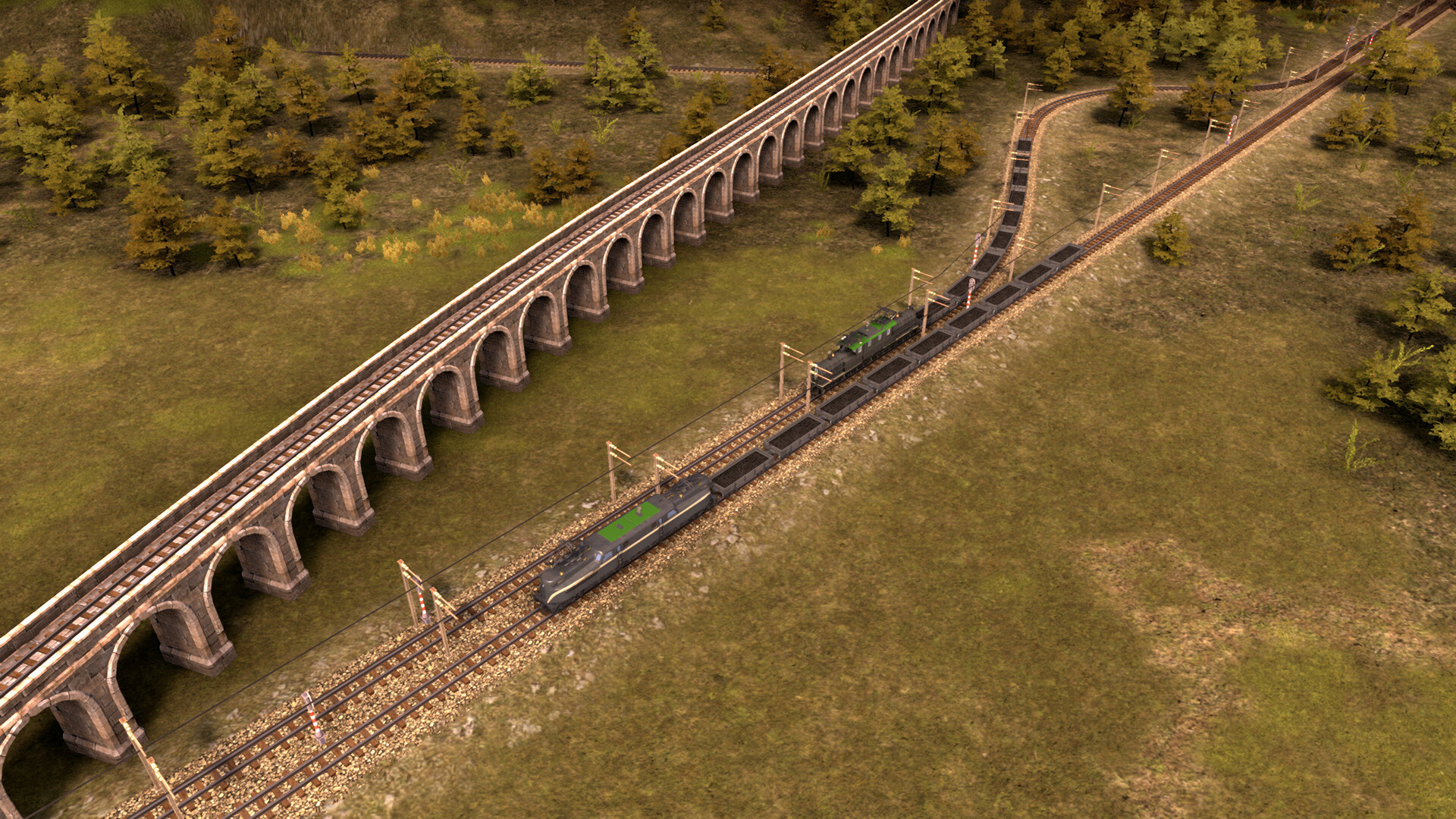
The core gameplay loop involves creating a delivery empire by laying tracks, building stations, deploying locomotives, and establishing supply chains. It’s a satisfying economic strategy, though the lack of a strong narrative and competitive elements can make it feel more like a simulator than a strategy game. The campaign, with its five chapters, is considered too short and easy, leaving players yearning for more challenging scenarios.
Additional features like Research, Geology, and Lobbying add depth, providing an interesting dimension beyond basic logistics. However, the game is still in early access, and while it shows promise, it feels a bit bare-bones, lacking features like market management and loans. Bugs and technical issues, such as pathing problems and locked tracks, are present but typical for early access games.
Multiplayer is a highlight, offering competitive or cooperative play, though it suffers from ease-of-use issues and cumbersome micromanagement. Players have suggested improvements like more challenging maps and financial transactions for using others’ lines and stations. Overall, the game offers a rich strategic experience but requires more content and refinement to fully engage players.
Graphics: A Scenic Journey with a Few Stops
The graphics of “Railroad Corporation 2” have been a focal point of discussion, with a general consensus that they represent a significant improvement over its predecessor. The game is praised for its visual enhancements, particularly the richly textured cities and detailed landscapes that capture the turn-of-the-century industrial aesthetic. This art direction contributes to an immersive experience, with players appreciating the scenic details, such as locomotives traversing snow-covered terrains.
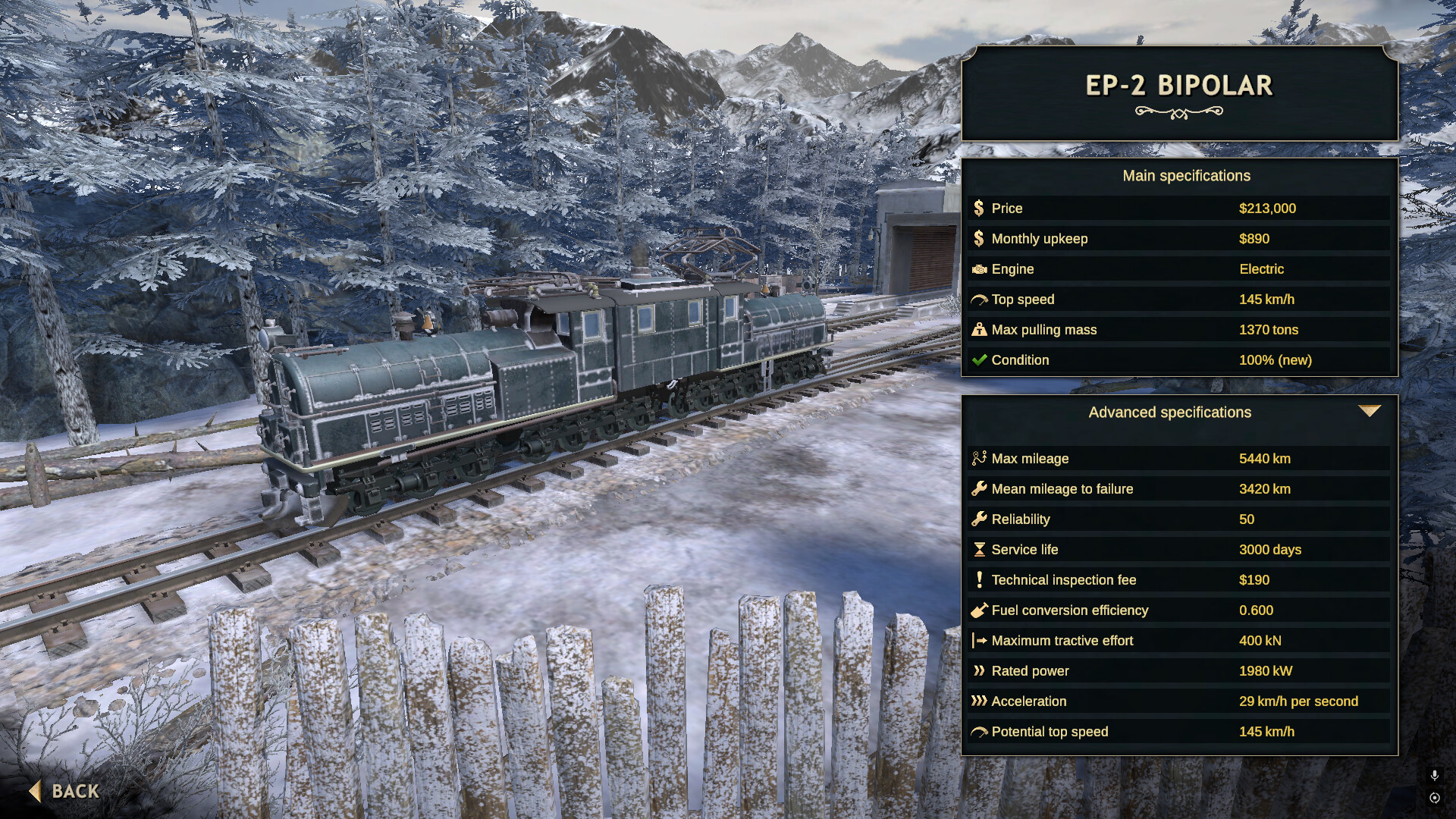
However, the user interface has been criticized for its small text and the burying of important information within nested menus, which detracts from the overall experience. It’s as if the UI went to the same school of organization as my teenage bedroom. Despite this, the track-laying visuals and the ease of placing signals are highlighted as well-designed and intuitive.
Comparisons to other games, such as Railway Empire, indicate that while “Railroad Corporation 2’s” graphics are similar, they lack originality in some aspects. The choice of non-traditional colors for the signaling system has been criticized for reducing realism, and the absence of animated open stations is noted as a missed opportunity for adding life to the game.
Despite these criticisms, the game’s graphics are generally seen as a strong point, enhancing the realism of the simulation. The ability to generate custom maps is highlighted as a visually engaging feature, suggesting that the game provides a customizable environment that supports gameplay effectively.
Story: A Journey Without a Destination
Set during the electrification era at the turn of the 20th century, “Railroad Corporation 2” places players in the shoes of a railroad magnate. The game unfolds over a four-chapter campaign, charting the player’s rise from a small startup to a dominant industry titan. However, the narrative is not the central focus; it primarily serves as a backdrop for the core gameplay.
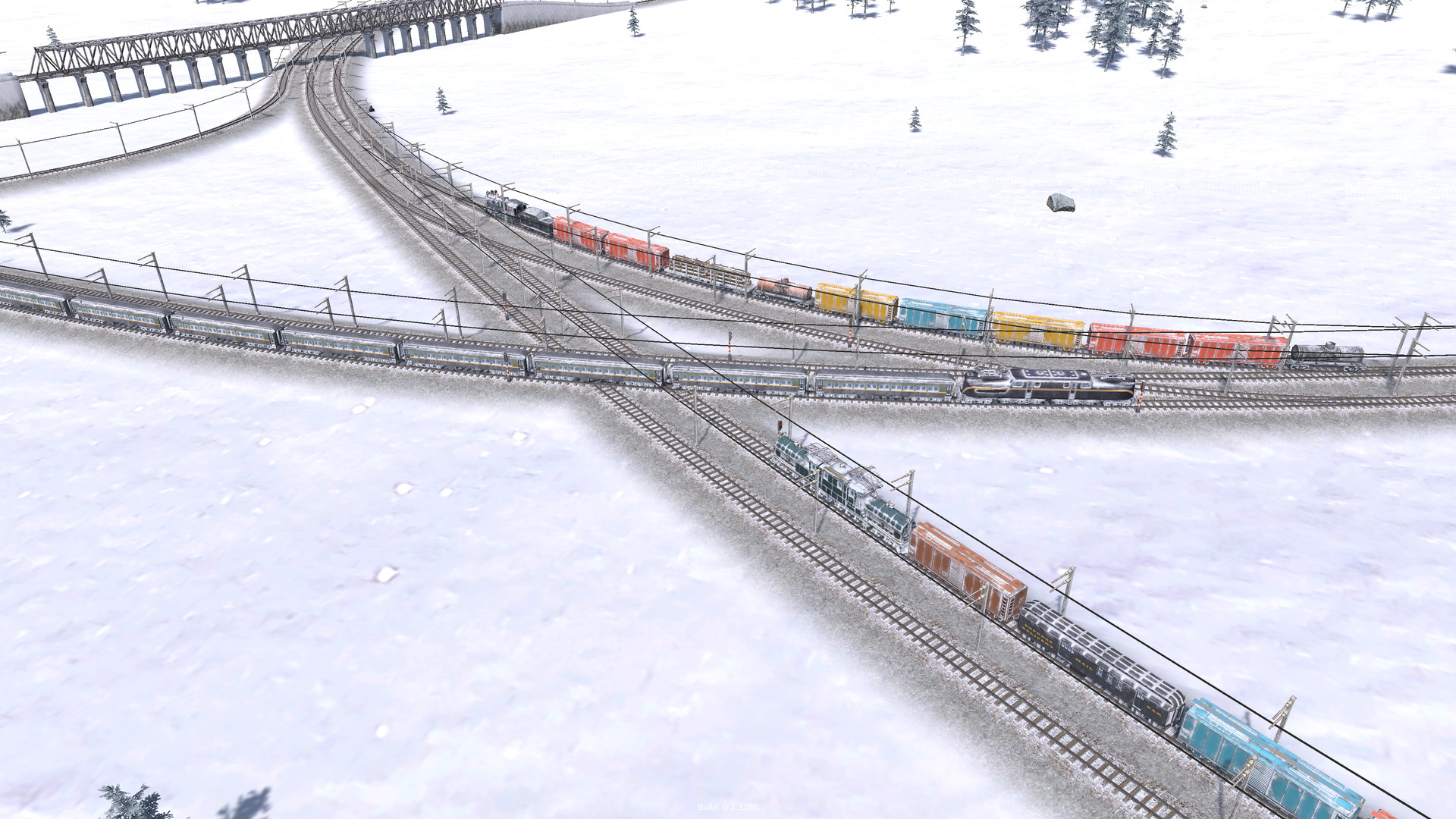
The story is minimal, providing a framework for the gameplay that involves handling increasingly complex scenarios. Despite the historical setting, the game lacks a strong narrative drive, as there are no competitors or significant risks once income generation begins. This positions the game more as a simulator and strategy experience rather than a story-driven one.
Critics note that while the game has potential, it currently lacks a compelling story element. The procedural map generation and random events add variety, but the absence of a strong narrative or competitive elements makes the experience feel somewhat incomplete. The campaign’s ease and limited content are areas needing improvement, with players expressing a desire for more depth and complexity in the narrative to enhance replayability.
Final Verdict: A Promising Journey with Room for Growth
“Railroad Corporation 2” offers a strategic and immersive experience that is both satisfying and engaging, though it is not without its flaws. The intuitive track-laying mechanics and visual enhancements are highlights, but the game suffers from a lack of narrative depth and competitive elements. As it stands, the game is a commendable effort with potential for growth, and players look forward to more features and improvements in future updates.
Score: 6.5/10