Pathologic 3: A Plague of Ambition and Bugs
Time travel, mood swings, and a town that never sleeps
Launch Day Larry
Pathologic 3 is here, and it’s as if the developers decided to throw a party where everyone is invited, including bugs, mood swings, and a time machine. This latest installment in the series is a bold attempt to blend narrative complexity with innovative mechanics, but does it succeed in capturing the essence of its predecessors, or does it get lost in its own ambition? Let’s dive in and find out.
Gameplay: A Rollercoaster of Mechanics and Mood Swings
Pathologic 3’s gameplay is a mixed bag of intriguing ideas and frustrating execution. The game introduces a mood management system that swings between apathy and mania, adding a unique layer to the experience. While some players appreciate the fresh tone it sets, others find it as shallow as a kiddie pool. The consequences of high apathy or mania—suicide or heart attack—feel more like a game of Russian roulette than a meaningful character development tool.
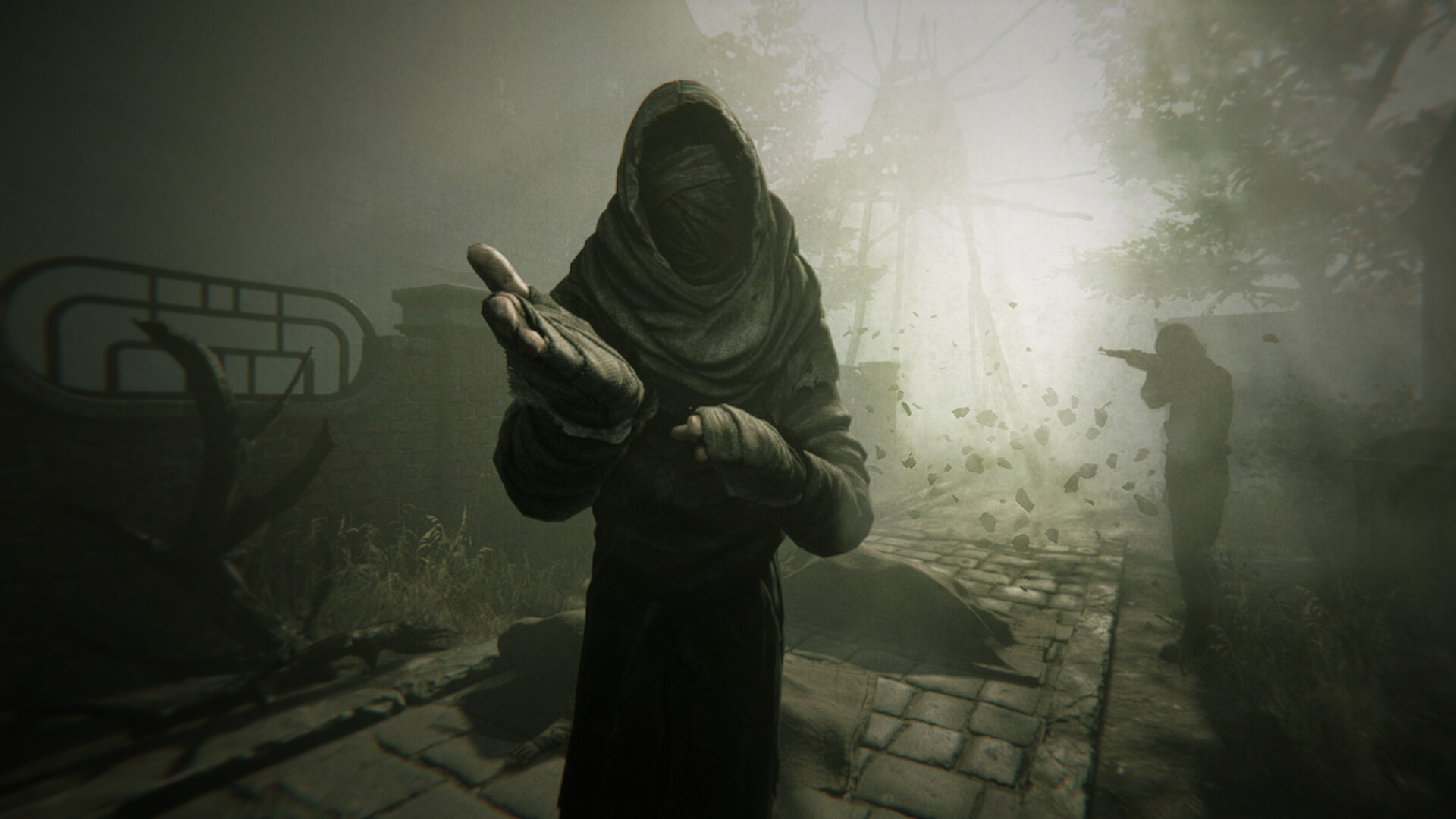
The introduction of time travel mechanics is a standout feature, allowing players to correct past mistakes and explore multiple narrative possibilities. It’s like having a save-scumming superpower, but with more existential dread. However, the first-person movement feels like you’re piloting a drone rather than a character, which can be disorienting and detracts from the immersion.
Technical issues abound, with controller and UI functionality problems that make navigating menus feel like solving a Rubik’s Cube blindfolded. Bugs and glitches are as common as the town’s plagues, leading to a perception of the game as a “buggy mess.” Despite these hurdles, the game captures the series’ atmosphere and spirit, offering a unique, if flawed, experience.
Graphics: A Beautifully Optimized, Yet Occasionally Jarring Experience
Visually, Pathologic 3 is a feast for the eyes, with character models and environments that are both detailed and atmospheric. The game runs smoothly at 4k on high settings, a rare achievement that makes even Linux users smile. The town’s vibe is well-captured, with added details that enhance the narrative experience.
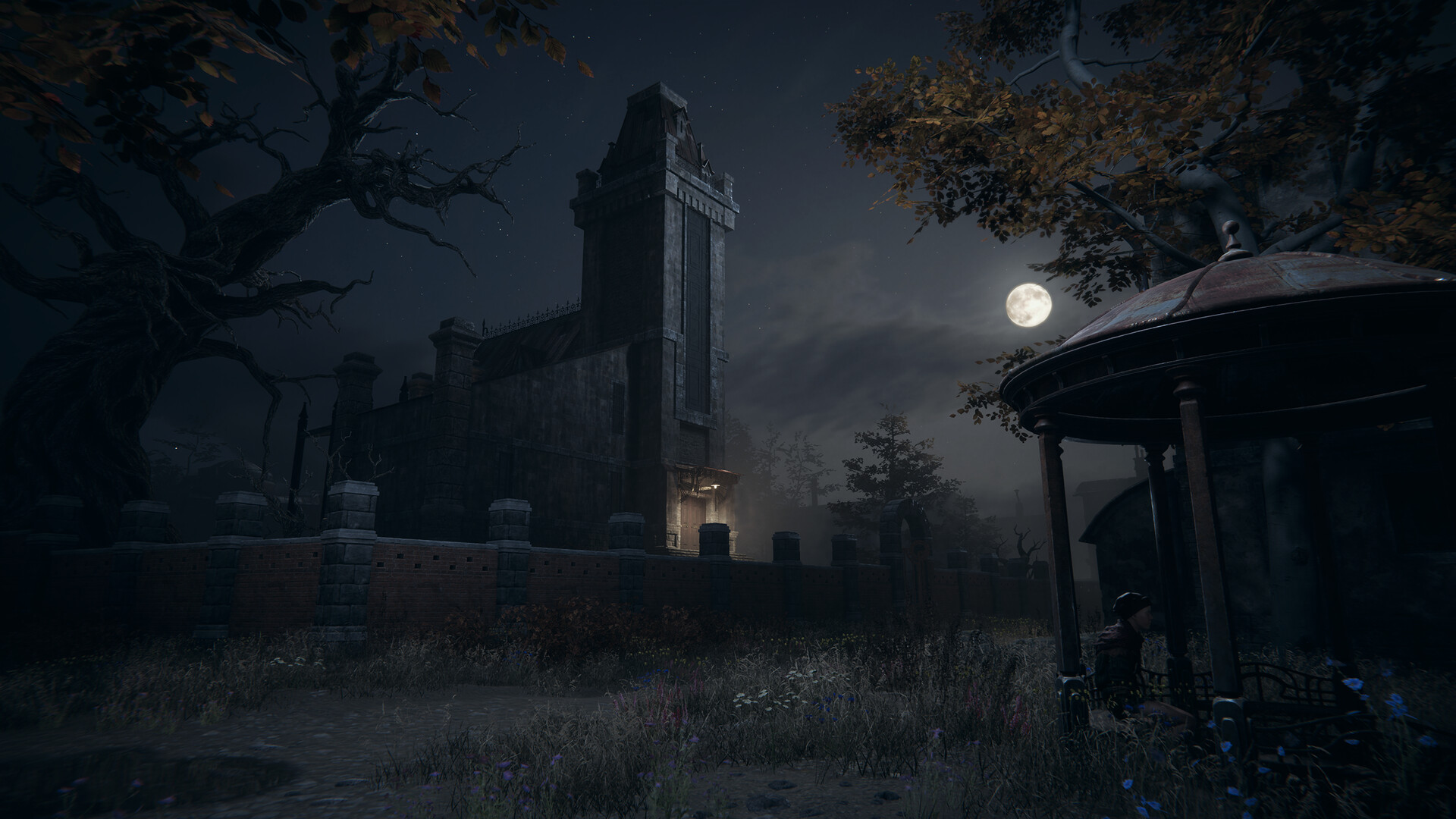
However, not all is perfect in this visual wonderland. Some users report severe performance issues, such as freezing when moving the camera, which can turn a seamless experience into a slideshow. The division of the town into separate districts is a necessary evil to eliminate loading and stuttering issues, but it can disrupt the immersion.
Character design changes have sparked debate, with some players lamenting the loss of iconic features like Georgyi Kain’s eyebrows. The lighting in dialogue scenes has also shifted from the beloved chiaroscuro style to a dual lighting setup, which some find less effective. Despite these criticisms, the game’s artistic design and optimization efforts are commendable, making it a visually compelling journey.
Story: A Non-Linear Labyrinth of Mystery and Complexity
Pathologic 3’s story is a complex tapestry that weaves together mystery, cultural depth, and character-driven narratives. The narrative is told from the perspective of a beloved character, adding a personal touch that resonates with fans. The writing is lauded for its quality, creating a memorable and engaging experience.
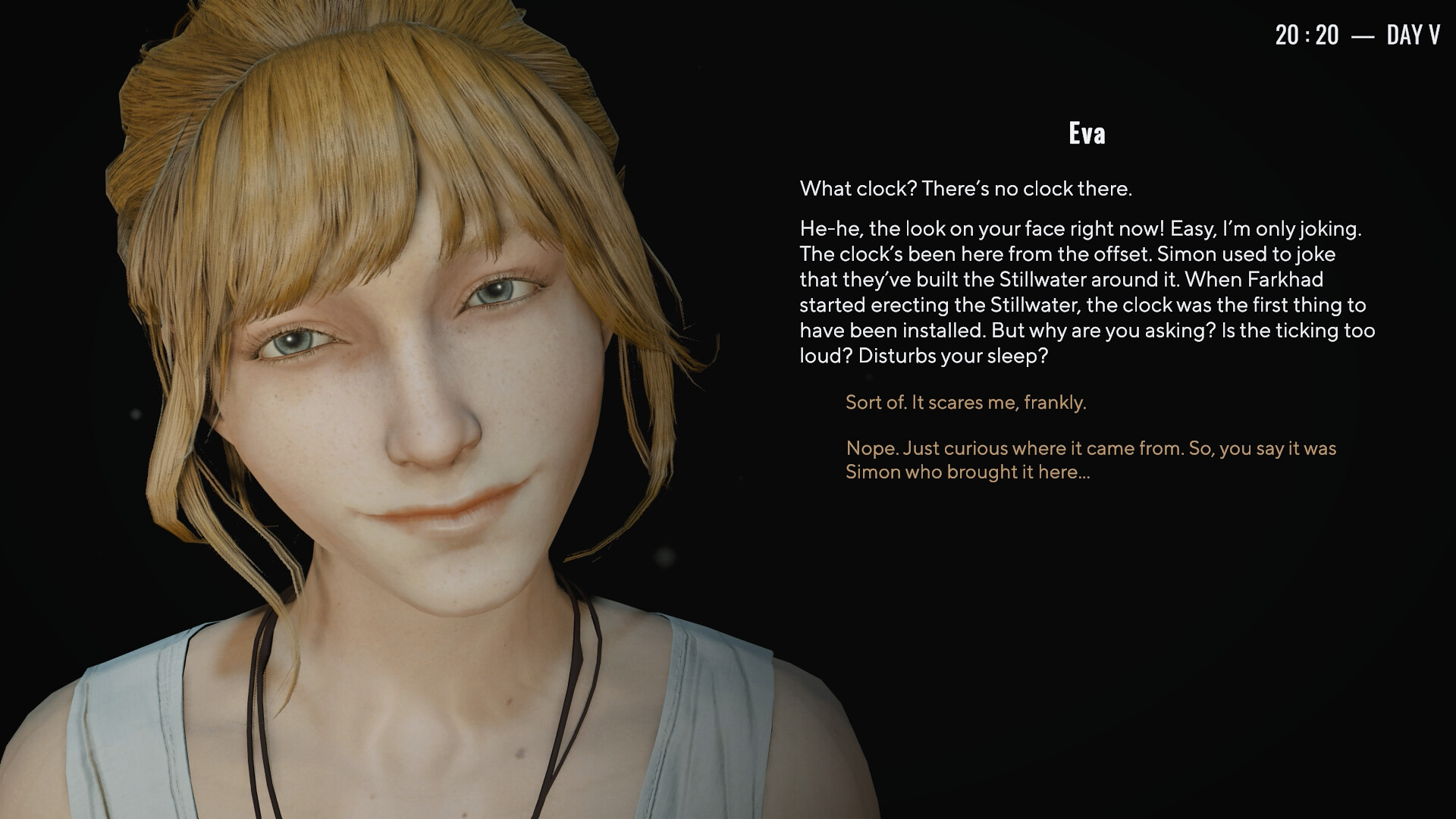
However, the introduction of a time travel mechanic allows players to experience the story non-linearly, which can be both a blessing and a curse. While it offers strategic exploration and multiple narrative possibilities, it also detracts from the original storytelling style, particularly the mystery and gradual revelation that characterized previous games. The upfront delivery of information through NPC interviews can feel like a spoiler-filled Wikipedia page, reducing the challenge of uncovering the town’s secrets.
The game’s complexity is both a strength and a challenge, with interwoven storylines and logical choices enhancing the narrative depth. However, the lack of features to aid memory, such as character portraits during conversations, can make the story feel like a jigsaw puzzle with missing pieces. Despite these challenges, the game maintains its high narrative quality, offering a surreal experience for returning players.
Final Verdict
Pathologic 3 is a bold and ambitious entry in the series, offering a unique blend of narrative complexity and innovative mechanics. While it captures the atmosphere and spirit of its predecessors, it is hindered by technical issues and gameplay frustrations. The reduced difficulty and execution of new mechanics may not appeal to all players, but the game remains an interesting and worth playing experience, with the potential for improvement through future patches.
Score: 7.0/10