Constance: A Metroidvania with a Palette of Potential
Platforming through the Paints of Depression and Delight
Launch Day Larry
In the world of gaming, “Constance” emerges as a vibrant splash of color on the canvas of metroidvania titles. It’s a game that attempts to blend the fluidity of platforming with the weighty themes of depression and creative burnout. But does it paint a masterpiece or merely a pretty picture? Let’s dive into the brushstrokes of gameplay, graphics, and story to find out.
Gameplay: A Symphony of Movement and Missteps
“Constance” offers a gameplay experience that feels like a well-choreographed dance—until you trip over your own feet. The movement mechanics are as smooth as a jazz saxophonist on a Saturday night, allowing players to glide through the map with ease. The platforming sections are challenging yet rewarding, akin to a perfectly executed triple jump in Mario. The charm system adds a strategic layer reminiscent of Tetris, letting players arrange abilities to suit their style.
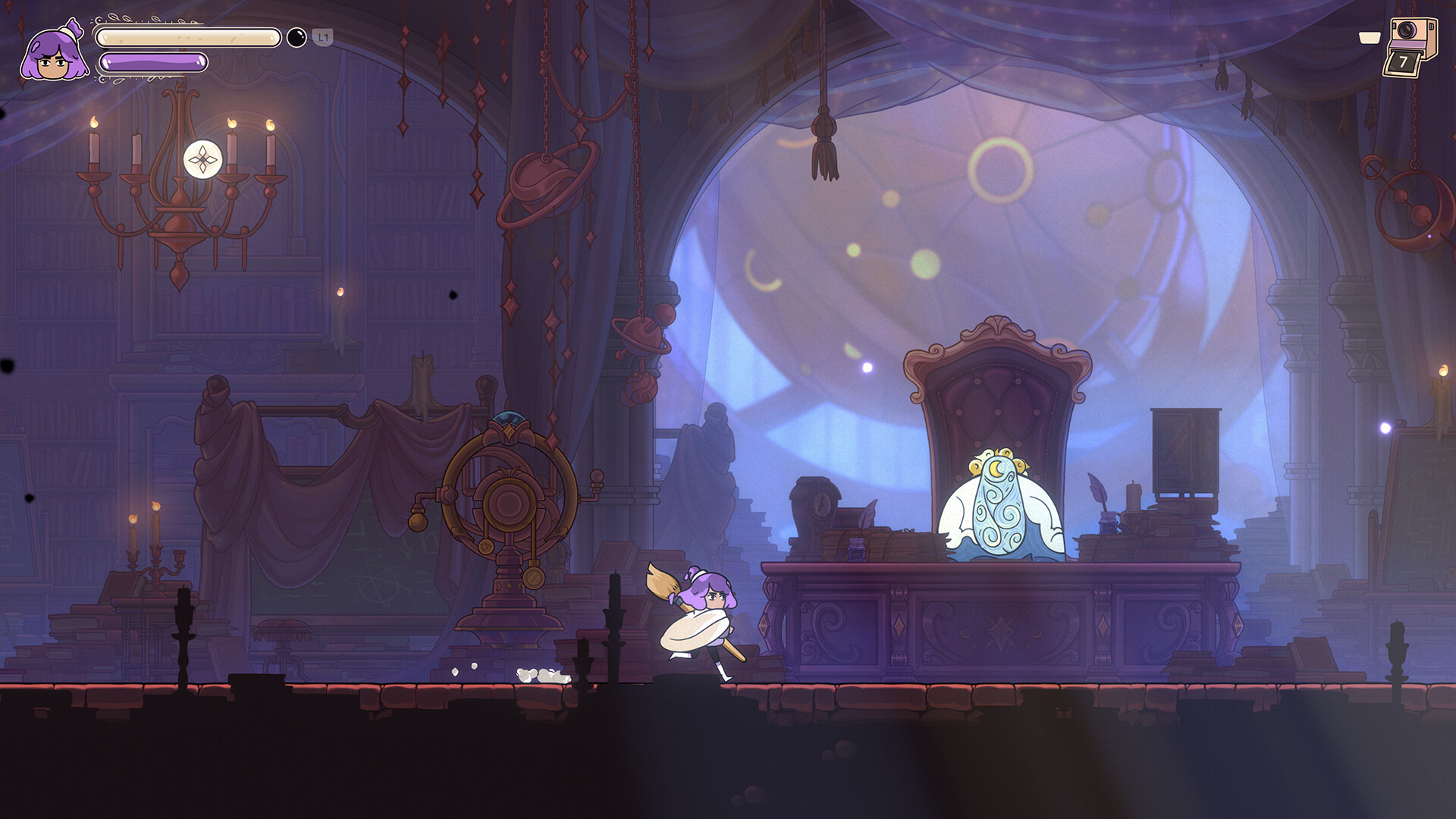
However, the combat system, while creative, doesn’t quite hit the high notes of its platforming counterpart. It’s like attending a rock concert only to find the band forgot their instruments. The boss fights, though inventive, can sometimes feel like a guessing game of pattern recognition. And then there’s the autoscroller section—a punishing gauntlet that demands perfection or a complete restart, which some players might find as welcome as a surprise pop quiz.
The controls, particularly with a controller, are where the game stumbles. Inputs can feel as reliable as a politician’s promise, leading many to switch to a keyboard for better precision. This issue is a significant hurdle, but one that players hope will be addressed in future updates.
Graphics: A Visual Feast with a Side of Frame Drops
If “Constance” were a painting, it would be a vibrant masterpiece hanging in a gallery. The art style is nothing short of stunning, with hand-animated cutscenes and character animations that exude personality. Each area is a kaleidoscope of color, offering a refreshing departure from the grayscale norm of many AAA titles. The environments are like a painter’s sketchbook come to life, inviting players to pause and admire the artistry.
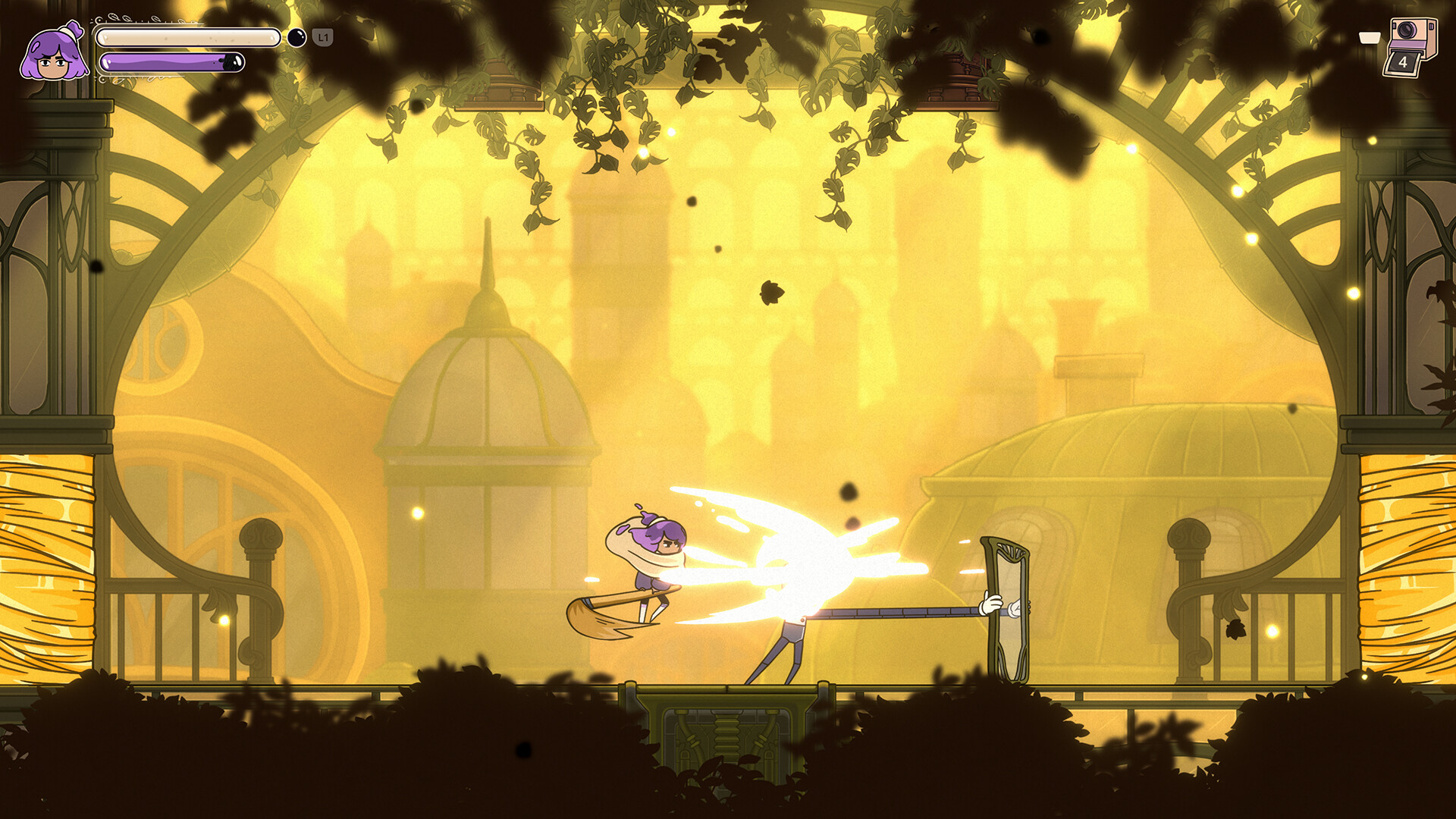
Yet, even the most beautiful paintings can have their flaws. Performance issues during cutscenes, with frame rate drops that could make a sloth look speedy, detract from the overall experience. Missing animations in certain areas also break immersion, like finding a typo in a classic novel. The camera, particularly in challenging segments, can be as uncooperative as a cat at bath time, adding unnecessary difficulty.
Story: A Canvas of Ambition with Faded Colors
“Constance” aims high with its narrative, tackling themes of depression and creative burnout. The story is presented through snapshots of the protagonist’s mental state, offering a glimpse into the struggles of an artist. It’s a commendable effort, but one that doesn’t quite reach the emotional depth it aspires to. The plot is as predictable as a rom-com, lacking the twists and stakes needed to fully engage players.
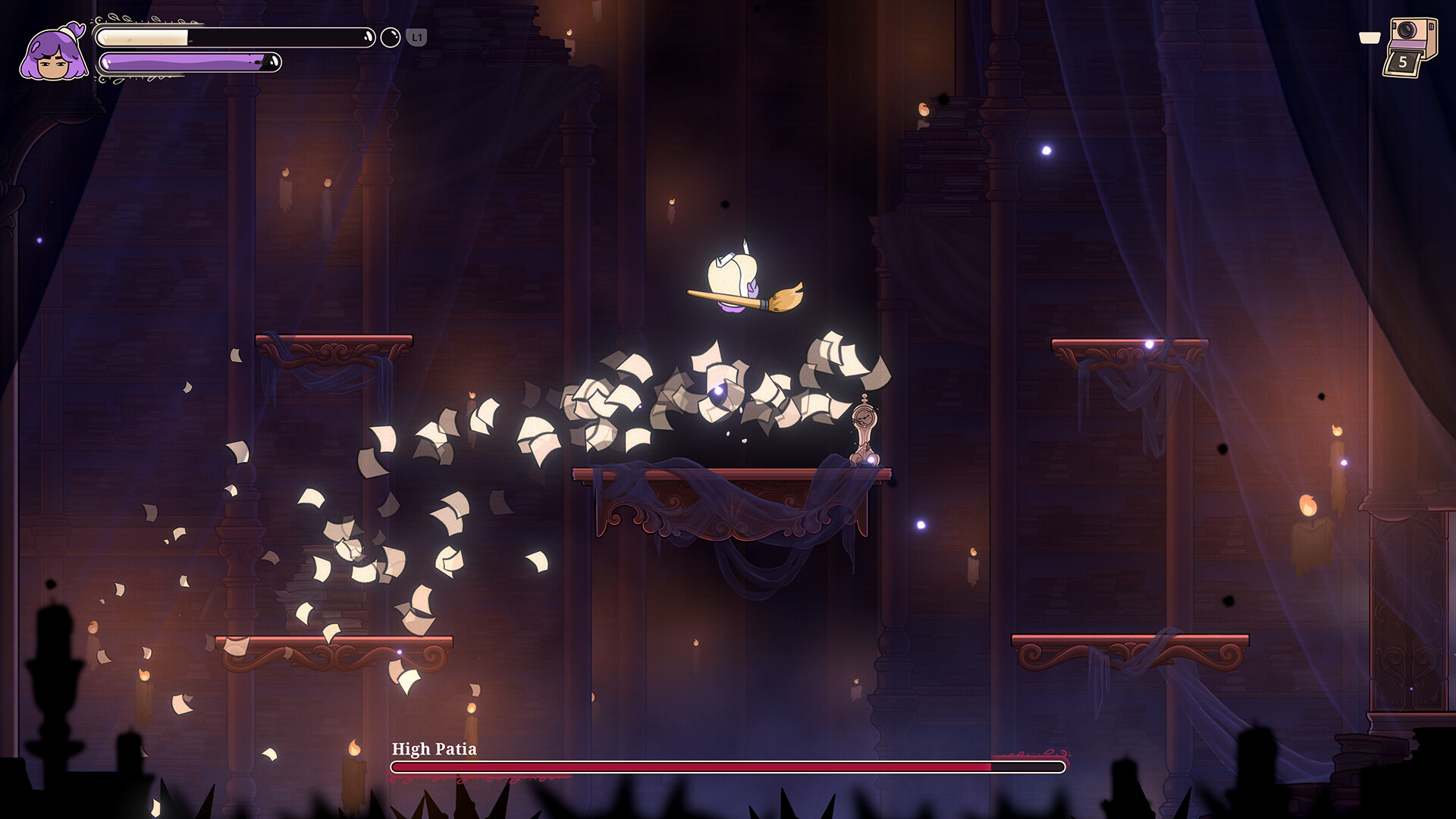
Characterization is another area where the game falls short. NPCs, while visually interesting, lack the depth and personality to make them memorable. The narrative feels more like a backdrop for exploration rather than a driving force, leaving players wanting more development and connection. The game’s attempt to intertwine story and gameplay is notable, but the execution may not resonate with everyone.
Final Verdict
“Constance” is a game that shines brightly in some areas while casting shadows in others. Its gameplay mechanics and graphics are standout features, offering a visually arresting and engaging experience. However, control issues and a lackluster story prevent it from reaching its full potential. For those willing to overlook these flaws, “Constance” offers a unique journey through the mind of an artist, painted with both beauty and imperfection.
Score: 7.5/10